/ Sep 27, 2026
The beloved sitcom Laverne & Shirley, which aired from January 27, 1976 to May 10, 1983, became a cultural landmark in American television. At its heart was a likeable ensemble of characters whose chemistry and comedic timing helped make the show a phenomenon. In this article, we’ll take a friendly yet professional look at the principal cast members—who they were, their characters, what made them memorable—and how the show’s cast evolved over time.
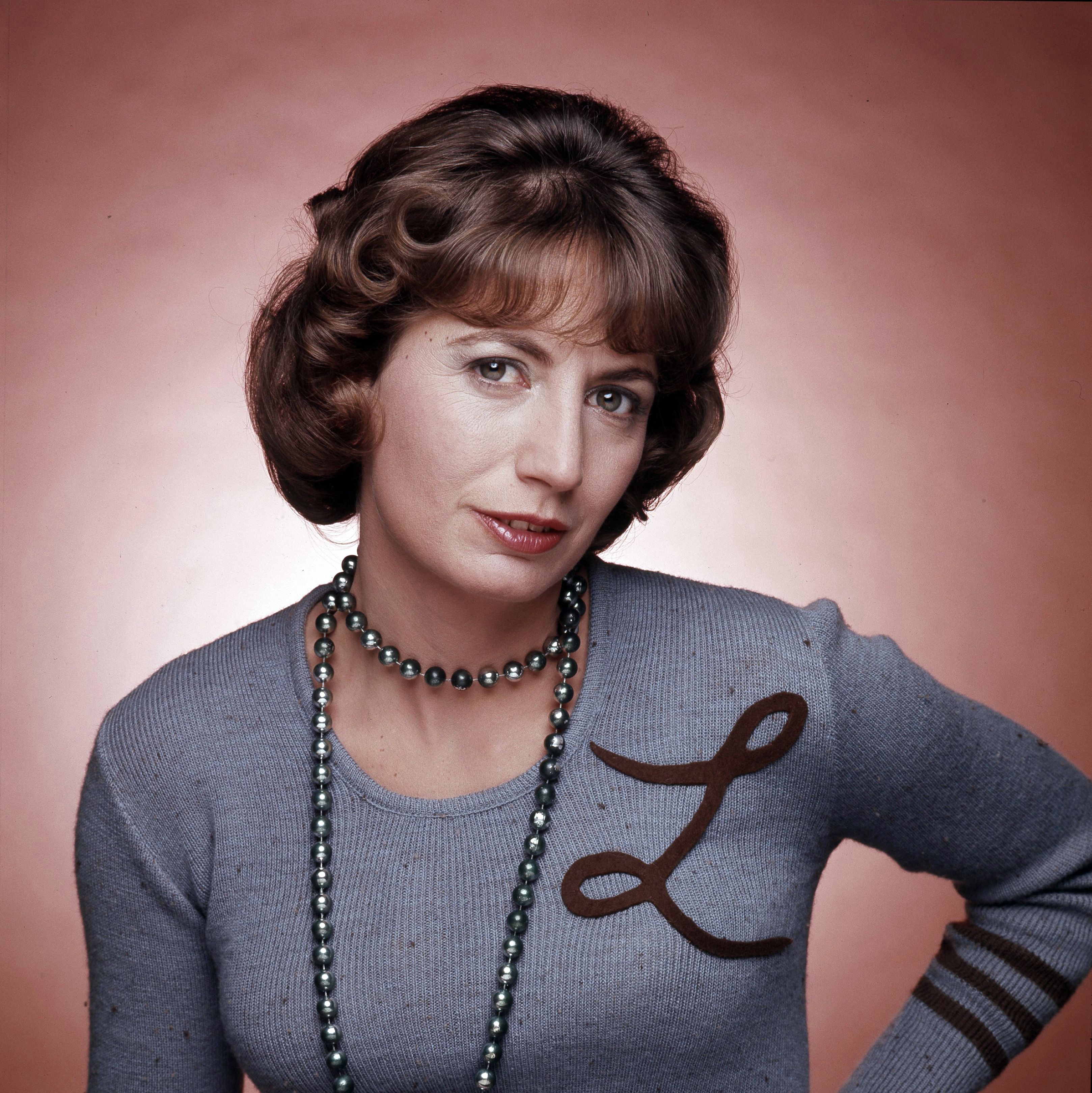

Penny Marshall played the role of Laverne DeFazio, one of the show’s two titular characters. She was introduced as a bottle-capper working at the fictitious Shotz Brewery in Milwaukee, alongside her roommate and best friend Shirley
Laverne’s persona: energetic, slightly chaotic, full of comic ambition, and often sporting her signature style (the letter “L” on her sweater, and her upbeat catch-phrases).
Penny Marshall brought real comedic gift and timing, giving Laverne a grounded yet zany presence that carried much of the show’s humour and heart.
Her partnership with Cindy Williams’s Shirley created the core dynamic: one more impulsive, one more cautious—together they balanced each other.
Penny Marshall’s career expanded beyond acting; she became a respected director and producer. Her legacy is strongly tied to this role, which remains indelibly linked to her name.

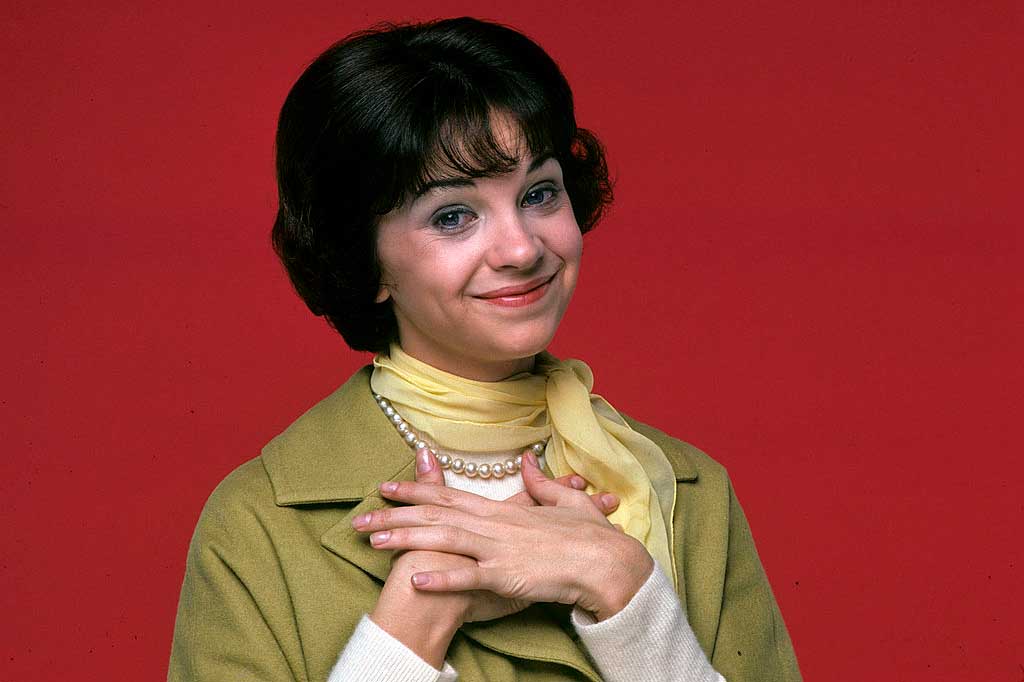
Cindy Williams portrayed Shirley Feeney, the loyal and somewhat more responsible counterpart to Laverne. The two lived together, worked together, and got into all kinds of comedic misadventures.
Shirley represented the “straight-man” foil to Laverne’s antics; her reactions to Laverne’s schemes added tension and timing to the comedy.
She had warmth and sincerity, which helped the show balance laugh-out-loud moments with emotional connection.
Her friendship with Laverne resonated with audiences: the idea of two women forging a life in the late-1950s/early-1960s working class was engaging and relatable.
Cindy Williams’s departure and later passing (January 2023) are part of the show’s story and legacy. AP News The character Shirley remains a beloved part of TV history.
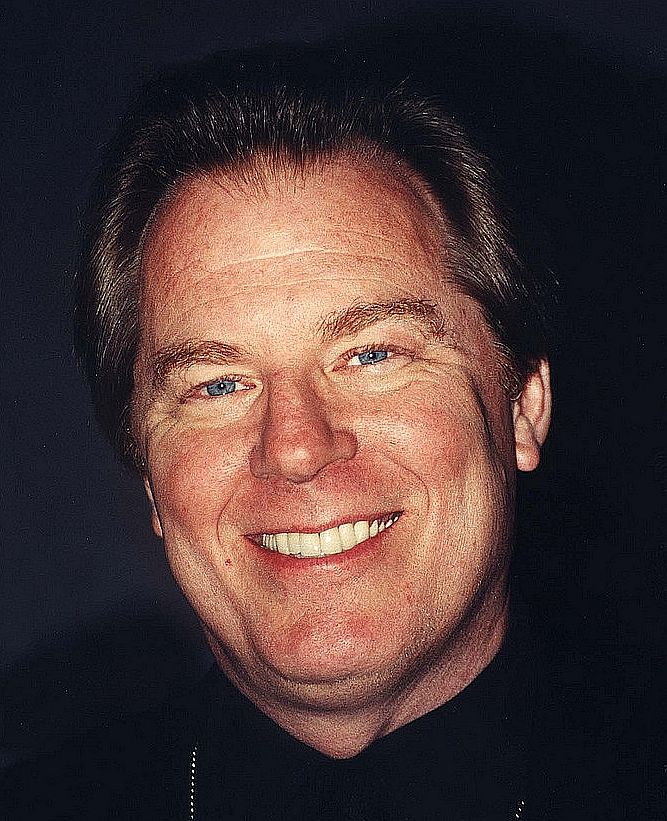
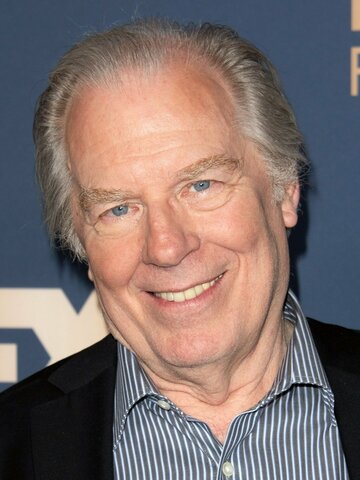
Michael McKean played Leonard “Lenny” Kosnowski, one half of the comedic side-kick duo alongside Squiggy. Lenny and Squiggy added a different flavour to the show—a bit of chaos, a bit of foolishness, and a lot of memorable catch-phrases.
Lenny’s presence allowed for complementary comic timing: his interactions with Squiggy often disrupted the “normal” world of Laverne & Shirley in amusing ways.
He represented the male counterpart in many of the show’s plots: dating, hijinks, attempts at success (or not‐so‐successful).
Michael McKean’s later career (including film and other TV work) is an interesting story of how a sitcom actor expanded beyond his iconic role.


David L. Lander brought to life Andrew “Squiggy” Squiggman, the other half of the duo with Lenny. His quirky appearance, funny walk-in entrances (“Hello!”), and oddball humor made him a fan favourite.
The outlandishness of Squiggy contrasted nicely with the more grounded characters; he leaned into the absurd and comedic release of the series.
His interactions with Lenny, and his presence in the apartment complex and brewery setting, enriched the show’s world.
His own life during and after the show is part of the cast’s legacy.
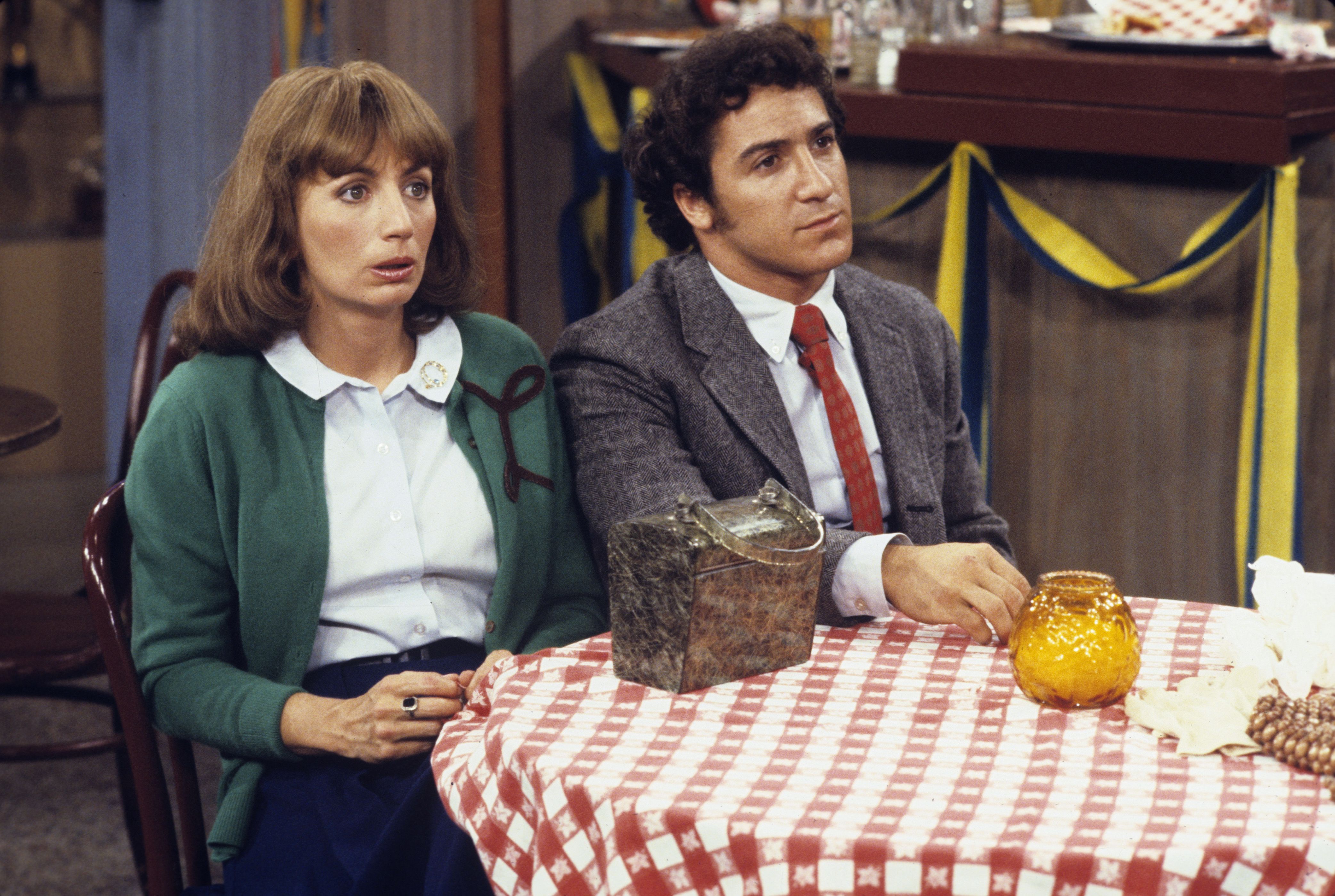

Eddie Mekka played Carmine Ragusa, another friend and co-worker of Laverne & Shirley at Shotz Brewery. Though less central than the title characters, Carmine contributed to the ensemble energy and humour of the series.
Carmine added male perspective within the brewery ‘workplace’ and social circle of the main characters.
His storyline and relationships often showed the everyday lives of characters outside the female leads’ central arcs.
He helped round out the show’s cast and contributed to its broader appeal.

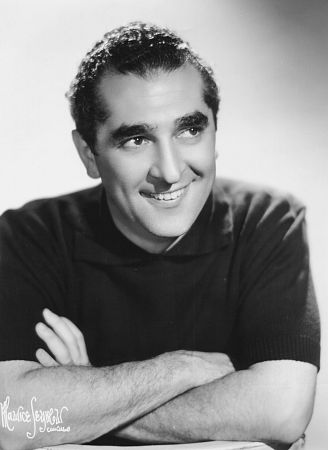
Phil Foster portrayed Frank DeFazio, Laverne’s father. His character added a generational contrast to the show’s focus on young working adults.
Frank DeFazio helped ground the show in a family dynamic: the father figure, gruff yet caring, providing a backdrop for Laverne’s ambitions and conflicts.
His presence in the household scenes added humour, conflict and warmth.
Family elements gave the show structure beyond the workplace and the roommate relationship.


Betty Garrett appeared as Edna Babish (later DeFazio)—the landlady of Laverne and Shirley in the early seasons. Her character played an important role in many of the comedic and domestic plotlines.
Edna brought maturity and another female perspective to the series, balancing the youthful zest of Laverne and Shirley.
Many episodes derive humour and conflict from the dynamics between the roommates and their landlady.
Garrett’s performance added warmth, comedic timing and inter-character chemistry.


In later seasons of the show (particularly once the setting shifted to Burbank, California) Leslie Easterbrook joined as Rhonda Lee, a model and friend to the main characters.
As the show evolved, new characters like Rhonda gave fresh storylines and helped update the setting and dynamic.
Her presence signalled a shift in tone and location (from Milwaukee to Burbank) for the series.
She represented the show’s adaptation and willingness to expand its cast and scope.
Here is a summary of the key cast members and their roles:
| Actor | Character | Role Summary |
|---|---|---|
| Penny Marshall | Laverne DeFazio | One half of the main duo; energetic, comedic lead. |
| Cindy Williams | Shirley Feeney | The other half of the duo; more cautious, grounded, strong friendship. |
| Michael McKean | Leonard “Lenny” Kosnowski | Friend and neighbour; part of the comedic side-kick duo. |
| David L. Lander | Andrew “Squiggy” Squiggman | Friend and neighbour; oddball humour, memorable catch-phrases. |
| Eddie Mekka | Carmine Ragusa | Co-worker and friend at Shotz Brewery; part of the ensemble. |
| Phil Foster | Frank DeFazio | Laverne’s father; provides family context and humour. |
| Betty Garrett | Edna Babish (DeFazio) | Landlady of the main characters; contributed female adult presence. |
| Leslie Easterbrook | Rhonda Lee | Later-season addition; part of the show’s relocation/adaptation. |
The show began in Milwaukee with the brewery workplace setting. Around season six the setting shifted to Burbank, California, and new supporting characters were introduced. Wikipedia+1
The strength of Laverne & Shirley was in how the ensemble balanced each other: the leads anchored the show, the supporting cast provided texture, humour, conflict and charm.
Set in the late 1950s into the early 1960s, the characters’ jobs (bottle-capping at a brewery), their social lives, the apartment building, and the neighbourhood all contributed to a relatable world. The cast made that world believable and fun.
Characters like Lenny and Squiggy provided catch-phrases (“Hello!”), Laverne had her sweater and type-of humour, Laverne & Shirley used the “schlemiel, schlimazel” chant in the opening credits (an instantly-recognisable part of the show’s identity) which was influenced by Yiddish humour. American Memory Lane
As the cast grew and changed, the show kept going for eight seasons. The addition of new characters (such as Rhonda Lee) and the relocation of setting required the cast to adapt—which they did. That helped keep the show fresh.
When we look back at Laverne & Shirley, the cast is remembered—not just for their roles, but for how they represented something more: working-class women, urban life, strong friendships, physical comedy, and sitcom storytelling with heart.
Penny Marshall’s career afterwards as a director and producer cements her legacy beyond just the show.
Cindy Williams remains beloved for her portrayal of Shirley and the authenticity she brought.
Michael McKean and David L. Lander’s characters became iconic in their own right, contributing enduring pop-culture references.
The ensemble nature of the cast reminds us that supporting characters often give a show its richness.
The show’s cast also received recognition and awards; for example, the cast was honoured at the TV Land Awards for their cultural impact. CBS News
The cast of Laverne & Shirley exemplifies what a well-constructed sitcom ensemble can achieve: memorable characters, strong chemistry, and the ability to evolve over time while maintaining the core appeal. Whether you’re revisiting the show or discovering it for the first time, understanding the cast gives you deeper appreciation for the performances, the dynamics, and the era it represents.
The beloved sitcom Laverne & Shirley, which aired from January 27, 1976 to May 10, 1983, became a cultural landmark in American television. At its heart was a likeable ensemble of characters whose chemistry and comedic timing helped make the show a phenomenon. In this article, we’ll take a friendly yet professional look at the principal cast members—who they were, their characters, what made them memorable—and how the show’s cast evolved over time.
Penny Marshall played the role of Laverne DeFazio, one of the show’s two titular characters. She was introduced as a bottle-capper working at the fictitious Shotz Brewery in Milwaukee, alongside her roommate and best friend Shirley
Laverne’s persona: energetic, slightly chaotic, full of comic ambition, and often sporting her signature style (the letter “L” on her sweater, and her upbeat catch-phrases).
Penny Marshall brought real comedic gift and timing, giving Laverne a grounded yet zany presence that carried much of the show’s humour and heart.
Her partnership with Cindy Williams’s Shirley created the core dynamic: one more impulsive, one more cautious—together they balanced each other.
Penny Marshall’s career expanded beyond acting; she became a respected director and producer. Her legacy is strongly tied to this role, which remains indelibly linked to her name.
Cindy Williams portrayed Shirley Feeney, the loyal and somewhat more responsible counterpart to Laverne. The two lived together, worked together, and got into all kinds of comedic misadventures.
Shirley represented the “straight-man” foil to Laverne’s antics; her reactions to Laverne’s schemes added tension and timing to the comedy.
She had warmth and sincerity, which helped the show balance laugh-out-loud moments with emotional connection.
Her friendship with Laverne resonated with audiences: the idea of two women forging a life in the late-1950s/early-1960s working class was engaging and relatable.
Cindy Williams’s departure and later passing (January 2023) are part of the show’s story and legacy. AP News The character Shirley remains a beloved part of TV history.
Michael McKean played Leonard “Lenny” Kosnowski, one half of the comedic side-kick duo alongside Squiggy. Lenny and Squiggy added a different flavour to the show—a bit of chaos, a bit of foolishness, and a lot of memorable catch-phrases.
Lenny’s presence allowed for complementary comic timing: his interactions with Squiggy often disrupted the “normal” world of Laverne & Shirley in amusing ways.
He represented the male counterpart in many of the show’s plots: dating, hijinks, attempts at success (or not‐so‐successful).
Michael McKean’s later career (including film and other TV work) is an interesting story of how a sitcom actor expanded beyond his iconic role.
David L. Lander brought to life Andrew “Squiggy” Squiggman, the other half of the duo with Lenny. His quirky appearance, funny walk-in entrances (“Hello!”), and oddball humor made him a fan favourite.
The outlandishness of Squiggy contrasted nicely with the more grounded characters; he leaned into the absurd and comedic release of the series.
His interactions with Lenny, and his presence in the apartment complex and brewery setting, enriched the show’s world.
His own life during and after the show is part of the cast’s legacy.
Eddie Mekka played Carmine Ragusa, another friend and co-worker of Laverne & Shirley at Shotz Brewery. Though less central than the title characters, Carmine contributed to the ensemble energy and humour of the series.
Carmine added male perspective within the brewery ‘workplace’ and social circle of the main characters.
His storyline and relationships often showed the everyday lives of characters outside the female leads’ central arcs.
He helped round out the show’s cast and contributed to its broader appeal.
Phil Foster portrayed Frank DeFazio, Laverne’s father. His character added a generational contrast to the show’s focus on young working adults.
Frank DeFazio helped ground the show in a family dynamic: the father figure, gruff yet caring, providing a backdrop for Laverne’s ambitions and conflicts.
His presence in the household scenes added humour, conflict and warmth.
Family elements gave the show structure beyond the workplace and the roommate relationship.
Betty Garrett appeared as Edna Babish (later DeFazio)—the landlady of Laverne and Shirley in the early seasons. Her character played an important role in many of the comedic and domestic plotlines.
Edna brought maturity and another female perspective to the series, balancing the youthful zest of Laverne and Shirley.
Many episodes derive humour and conflict from the dynamics between the roommates and their landlady.
Garrett’s performance added warmth, comedic timing and inter-character chemistry.
In later seasons of the show (particularly once the setting shifted to Burbank, California) Leslie Easterbrook joined as Rhonda Lee, a model and friend to the main characters.
As the show evolved, new characters like Rhonda gave fresh storylines and helped update the setting and dynamic.
Her presence signalled a shift in tone and location (from Milwaukee to Burbank) for the series.
She represented the show’s adaptation and willingness to expand its cast and scope.
Here is a summary of the key cast members and their roles:
| Actor | Character | Role Summary |
|---|---|---|
| Penny Marshall | Laverne DeFazio | One half of the main duo; energetic, comedic lead. |
| Cindy Williams | Shirley Feeney | The other half of the duo; more cautious, grounded, strong friendship. |
| Michael McKean | Leonard “Lenny” Kosnowski | Friend and neighbour; part of the comedic side-kick duo. |
| David L. Lander | Andrew “Squiggy” Squiggman | Friend and neighbour; oddball humour, memorable catch-phrases. |
| Eddie Mekka | Carmine Ragusa | Co-worker and friend at Shotz Brewery; part of the ensemble. |
| Phil Foster | Frank DeFazio | Laverne’s father; provides family context and humour. |
| Betty Garrett | Edna Babish (DeFazio) | Landlady of the main characters; contributed female adult presence. |
| Leslie Easterbrook | Rhonda Lee | Later-season addition; part of the show’s relocation/adaptation. |
The show began in Milwaukee with the brewery workplace setting. Around season six the setting shifted to Burbank, California, and new supporting characters were introduced. Wikipedia+1
The strength of Laverne & Shirley was in how the ensemble balanced each other: the leads anchored the show, the supporting cast provided texture, humour, conflict and charm.
Set in the late 1950s into the early 1960s, the characters’ jobs (bottle-capping at a brewery), their social lives, the apartment building, and the neighbourhood all contributed to a relatable world. The cast made that world believable and fun.
Characters like Lenny and Squiggy provided catch-phrases (“Hello!”), Laverne had her sweater and type-of humour, Laverne & Shirley used the “schlemiel, schlimazel” chant in the opening credits (an instantly-recognisable part of the show’s identity) which was influenced by Yiddish humour. American Memory Lane
As the cast grew and changed, the show kept going for eight seasons. The addition of new characters (such as Rhonda Lee) and the relocation of setting required the cast to adapt—which they did. That helped keep the show fresh.
When we look back at Laverne & Shirley, the cast is remembered—not just for their roles, but for how they represented something more: working-class women, urban life, strong friendships, physical comedy, and sitcom storytelling with heart.
Penny Marshall’s career afterwards as a director and producer cements her legacy beyond just the show.
Cindy Williams remains beloved for her portrayal of Shirley and the authenticity she brought.
Michael McKean and David L. Lander’s characters became iconic in their own right, contributing enduring pop-culture references.
The ensemble nature of the cast reminds us that supporting characters often give a show its richness.
The show’s cast also received recognition and awards; for example, the cast was honoured at the TV Land Awards for their cultural impact. CBS News
The cast of Laverne & Shirley exemplifies what a well-constructed sitcom ensemble can achieve: memorable characters, strong chemistry, and the ability to evolve over time while maintaining the core appeal. Whether you’re revisiting the show or discovering it for the first time, understanding the cast gives you deeper appreciation for the performances, the dynamics, and the era it represents.