/ Mar 28, 2026
In the heart of Central America lies one of the region’s most fascinating capitals: San José, Costa Rica. Surrounded by lush mountains and valleys, this city is much more than a stopover on the way to the country’s famous beaches and rainforests. It is the beating heart of Costa Rican culture, filled with life, creativity, and warmth. From historical architecture and colorful markets to cozy cafés and vibrant art scenes, San José reflects the essence of “Pura Vida,” the philosophy of joyful living that defines Costa Rica.
This is a city where the past and present coexist beautifully. Every street, museum, and park tells a story of transformation from a small colonial town into a modern, forward-looking metropolis. Whether you are a traveler, a business visitor, or a curious explorer, San José, Costa Rica welcomes you with open arms and a promise of discovery.
The story of San José began in the 18th century when settlers established small farming communities in the fertile Central Valley. Unlike many Latin American cities founded by the Spanish crown, San José emerged more organically, without a formal decree. The valley’s mild climate and rich volcanic soil encouraged agriculture, especially coffee cultivation, which soon became the city’s economic backbone.
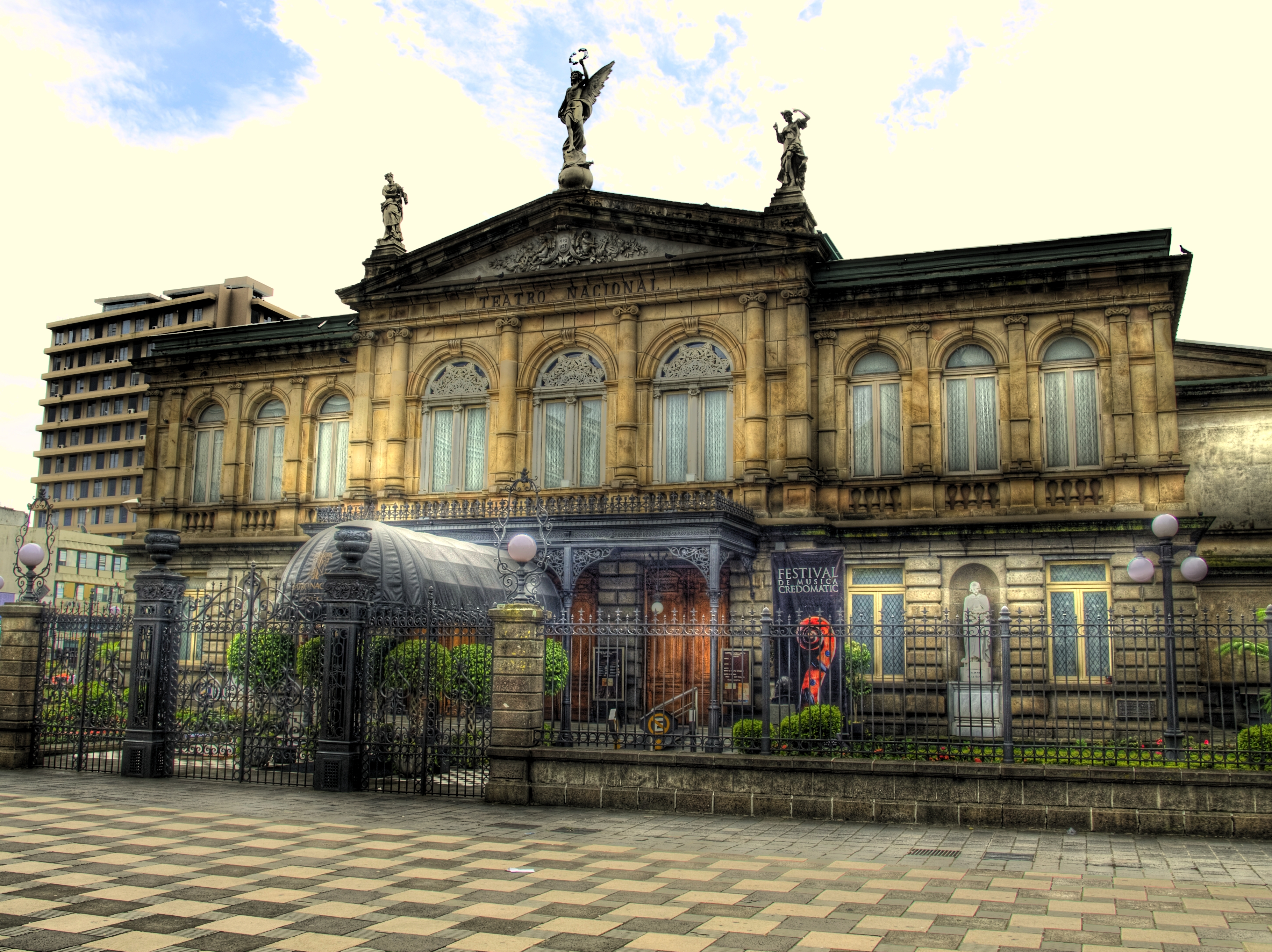
By the 19th century, coffee exports connected San José with Europe and transformed the local economy. The wealth generated from this trade led to the construction of fine buildings, elegant theatres, and public institutions that still stand today. The National Theatre, with its ornate façade and opulent interiors, was funded primarily by coffee growers who wanted their capital to reflect cultural sophistication.
During the 20th century, San José evolved rapidly. Modern industries replaced traditional agriculture, universities flourished, and cultural institutions multiplied. The city became a center for innovation, education, and art, symbolizing Costa Rica’s reputation as a peaceful and progressive nation.
San José lies in the Central Valley, surrounded by volcanic mountains and green hills that provide breathtaking views in every direction. The elevation, around 1,100 meters above sea level, gives the city its famous spring-like climate all year round. Average temperatures hover between 18 and 26 degrees Celsius, creating a comfortable environment for both residents and visitors.
Rainfall patterns define two main seasons: the dry season from December to April and the green season from May to November. Even during rainy months, showers often come in the afternoon, leaving mornings bright and pleasant. This balanced climate, combined with the surrounding natural beauty, makes San José, Costa Rica an inviting destination in any month of the year.
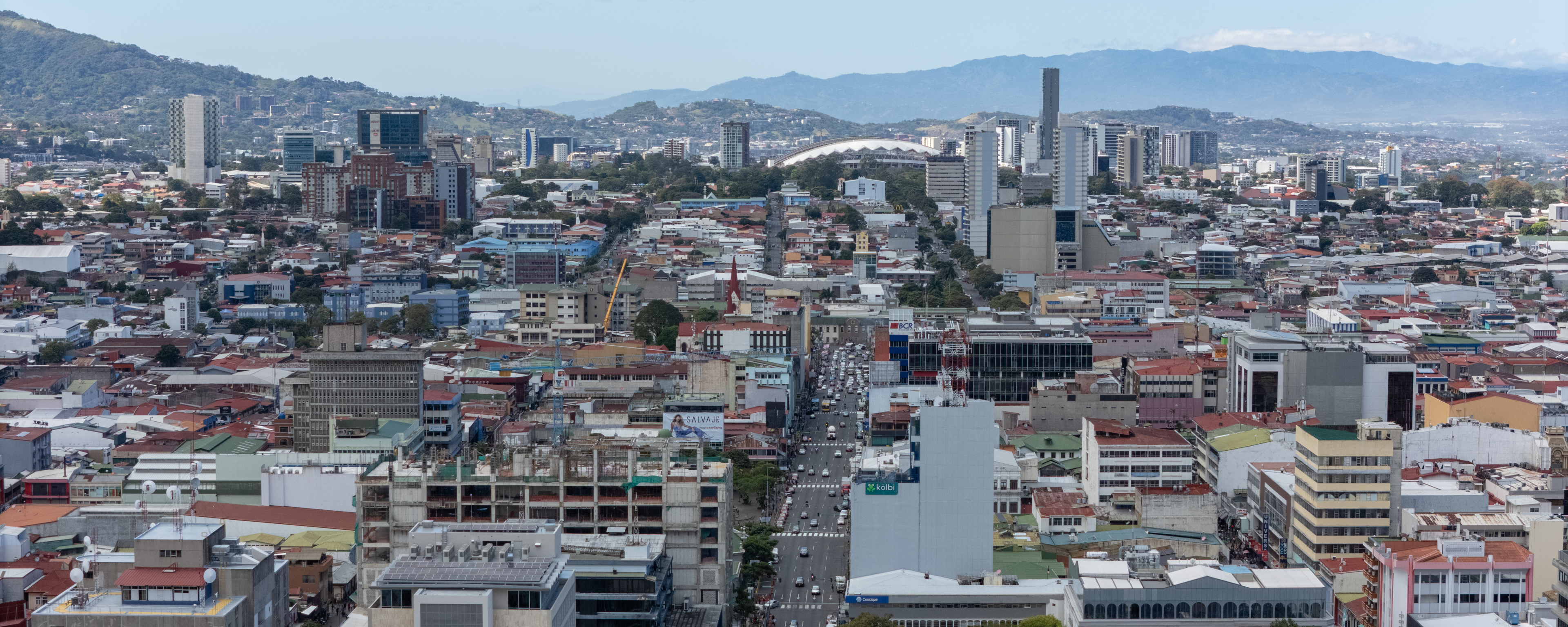
The essence of San José lies in its people. Known as “Ticos,” Costa Ricans are friendly, polite, and proud of their country’s democratic values. In San José, conversations often begin with a smile and end with a cheerful “Pura Vida,” a phrase that expresses optimism, gratitude, and a relaxed approach to life.
Cultural life thrives in San José. The city hosts museums, art galleries, theatres, and music festivals that celebrate both local and international creativity. The National Museum of Costa Rica, housed in an old fortress, offers insight into the country’s history and biodiversity. The Museum of Contemporary Art and Design highlights regional artists who push creative boundaries. Music fills the streets, from traditional marimba rhythms to modern Latin beats, creating an ever-present soundtrack to city life.
Art also finds its way into everyday spaces. Colorful murals decorate downtown buildings, reflecting themes of nature, peace, and community. Street performers, vendors, and musicians bring energy to public squares, making a stroll through the city an experience filled with life and culture.
Architecturally, San José is a blend of colonial charm and modern ambition. Elegant 19th-century mansions sit beside glass-fronted buildings, while historic churches anchor neighborhoods that have changed dramatically over time. The National Theatre remains the crown jewel of San José’s architecture. Built in the late 1800s, it symbolizes Costa Rica’s devotion to culture and education. Visitors can admire its marble floors, frescoed ceilings, and European sculptures before attending a concert or ballet performance.
Nearby, the Plaza de la Cultura serves as a lively meeting point for locals and tourists. Beneath it lies the Pre-Columbian Gold Museum, which houses thousands of ancient artifacts that illustrate the region’s indigenous heritage. The Central Market, another landmark, has operated for more than a century. Inside its maze-like corridors you can sample local coffee, buy handmade crafts, or enjoy a typical Costa Rican meal known as a casado, consisting of rice, beans, meat, and plantains.
For outdoor relaxation, La Sabana Metropolitan Park offers a welcome escape from the city’s bustle. Often called the “lungs of San José,” this vast green space hosts jogging paths, playgrounds, art installations, and the impressive National Stadium. On weekends, families gather here to picnic, play soccer, or simply unwind under the tropical sun.
Food in San José is a joyful experience. The city’s culinary landscape mirrors Costa Rica’s balance between tradition and innovation. You will find everything from simple street snacks to sophisticated fine dining.
Traditional dishes remain an essential part of daily life. Breakfast often begins with gallo pinto, a comforting mix of rice and beans served with eggs and plantains. Lunch might feature a hearty casado, while dinner could include olla de carne, a flavorful beef and vegetable stew. Fresh tropical fruits, from mangoes to papayas and pineapples, are abundant year-round.
Beyond local cuisine, San José has become a hub for international flavors. Modern restaurants showcase fusion menus, while small cafés offer organic coffee sourced from nearby plantations. Coffee culture is strong here. Visiting a local café means more than grabbing a drink; it is a ritual that connects people and pays homage to one of Costa Rica’s most important exports.
Nightlife in San José adds another dimension. The districts of Escalante and Barrio Amón are known for their vibrant energy. These areas are filled with bistros, rooftop bars, and art spaces that attract both locals and visitors. Live music venues feature jazz, salsa, and acoustic performances, creating a warm, inclusive atmosphere after sunset.
Life in San José, Costa Rica moves at its own pace. The city combines the buzz of a capital with the friendliness of a small town. Streets are often filled with conversations, laughter, and the aroma of freshly brewed coffee.
Education plays a central role in the city’s identity. San José hosts prestigious universities and research centers that attract students from across Latin America. This academic influence gives the city a youthful and innovative spirit. English is widely spoken, especially among younger generations, making communication easy for visitors.
Economically, San José has grown into a center for business and technology. International companies have established offices here, contributing to the rise of modern infrastructure and job opportunities. Yet despite this progress, the city retains its sense of community and values simplicity.
One of the most appealing aspects of San José is its proximity to nature. Within a few hours you can reach beaches, volcanoes, rainforests, and coffee plantations. Day trips from the capital are popular among both tourists and residents who crave weekend adventures.
To the north lies Poás Volcano National Park, where visitors can peer into one of the largest volcanic craters in the world. To the east, Irazú Volcano offers panoramic views stretching all the way to the Caribbean on clear days. Coffee enthusiasts can visit plantations around Heredia and Alajuela to learn about cultivation and roasting methods while tasting freshly brewed blends.
For those seeking a taste of rural life, the nearby towns of Sarchí and Grecia offer local crafts and charming architecture. And when you are ready for the coast, both the Pacific and Caribbean shores are accessible by road, making San José a perfect starting point for exploring Costa Rica’s diverse landscapes.
San José is compact enough to explore but large enough to require planning. The international airport is located about thirty minutes from downtown. Taxis and ride-sharing services are common and affordable. The city also offers a network of public buses connecting neighborhoods and surrounding towns.
Walking in central areas like Avenida Central or Barrio Amón is pleasant, especially during daylight hours. These districts are filled with shops, bakeries, and street performers. Visitors who prefer flexibility often rent cars, although traffic during rush hours can be heavy. Costa Rican drivers are generally courteous, and roads leading out of San José are scenic, winding through mountains and coffee fields.
Like any urban destination, San José requires common-sense precautions. Most parts of the city are safe during the day, especially busy public areas. At night, it is advisable to use registered taxis and avoid carrying visible valuables. The locals are usually quick to help with directions or advice, which adds to the city’s welcoming atmosphere.
When planning a trip, pack for mild weather but include a light rain jacket, particularly between May and November. Currency exchange is straightforward, and both local colones and U.S. dollars are widely accepted. Costa Rica’s water is safe to drink, which makes traveling easy and comfortable.
Many travelers pass through San José on their way to the beaches or national parks, but those who linger often discover a side of Costa Rica that feels authentic and deeply human. The city tells the story of a nation that values peace, education, and sustainability. It represents a crossroads between old and new, between tradition and progress.
San José is not about towering skyscrapers or glamorous excess. Its charm lies in its people, its street corners filled with laughter, its hidden art galleries, and its constant pulse of creativity. It is a place where culture and nature meet gracefully, reminding visitors that Costa Rica’s richness is not only found in its forests and coastlines but also in its capital’s heart.
For travelers seeking connection rather than spectacle, San José offers a perfect balance. It invites you to slow down, to savor a meal, to chat with locals in a café, and to understand what “Pura Vida” truly means.
San José, Costa Rica is a city of many layers. It is historical yet modern, tranquil yet lively, modest yet confident in its identity. Every aspect of this capital reflects the spirit of its country: welcoming, resilient, and full of life.
Whether you come for a short visit or an extended stay, San José rewards curiosity. Explore its museums and parks, taste its flavors, admire its architecture, and feel the rhythm of everyday life. From the green valleys that cradle it to the smiling faces that define it, San José captures the very soul of Costa Rica.
For anyone who believes travel is about connection, culture, and genuine experiences, San José is not just a stopover. It is a destination in its own right—a place where past and future meet in the warm light of the present, inviting every visitor to live, if only for a while, the true meaning of “Pura Vida.”
In the heart of Central America lies one of the region’s most fascinating capitals: San José, Costa Rica. Surrounded by lush mountains and valleys, this city is much more than a stopover on the way to the country’s famous beaches and rainforests. It is the beating heart of Costa Rican culture, filled with life, creativity, and warmth. From historical architecture and colorful markets to cozy cafés and vibrant art scenes, San José reflects the essence of “Pura Vida,” the philosophy of joyful living that defines Costa Rica.
This is a city where the past and present coexist beautifully. Every street, museum, and park tells a story of transformation from a small colonial town into a modern, forward-looking metropolis. Whether you are a traveler, a business visitor, or a curious explorer, San José, Costa Rica welcomes you with open arms and a promise of discovery.
The story of San José began in the 18th century when settlers established small farming communities in the fertile Central Valley. Unlike many Latin American cities founded by the Spanish crown, San José emerged more organically, without a formal decree. The valley’s mild climate and rich volcanic soil encouraged agriculture, especially coffee cultivation, which soon became the city’s economic backbone.
By the 19th century, coffee exports connected San José with Europe and transformed the local economy. The wealth generated from this trade led to the construction of fine buildings, elegant theatres, and public institutions that still stand today. The National Theatre, with its ornate façade and opulent interiors, was funded primarily by coffee growers who wanted their capital to reflect cultural sophistication.
During the 20th century, San José evolved rapidly. Modern industries replaced traditional agriculture, universities flourished, and cultural institutions multiplied. The city became a center for innovation, education, and art, symbolizing Costa Rica’s reputation as a peaceful and progressive nation.
San José lies in the Central Valley, surrounded by volcanic mountains and green hills that provide breathtaking views in every direction. The elevation, around 1,100 meters above sea level, gives the city its famous spring-like climate all year round. Average temperatures hover between 18 and 26 degrees Celsius, creating a comfortable environment for both residents and visitors.
Rainfall patterns define two main seasons: the dry season from December to April and the green season from May to November. Even during rainy months, showers often come in the afternoon, leaving mornings bright and pleasant. This balanced climate, combined with the surrounding natural beauty, makes San José, Costa Rica an inviting destination in any month of the year.
The essence of San José lies in its people. Known as “Ticos,” Costa Ricans are friendly, polite, and proud of their country’s democratic values. In San José, conversations often begin with a smile and end with a cheerful “Pura Vida,” a phrase that expresses optimism, gratitude, and a relaxed approach to life.
Cultural life thrives in San José. The city hosts museums, art galleries, theatres, and music festivals that celebrate both local and international creativity. The National Museum of Costa Rica, housed in an old fortress, offers insight into the country’s history and biodiversity. The Museum of Contemporary Art and Design highlights regional artists who push creative boundaries. Music fills the streets, from traditional marimba rhythms to modern Latin beats, creating an ever-present soundtrack to city life.
Art also finds its way into everyday spaces. Colorful murals decorate downtown buildings, reflecting themes of nature, peace, and community. Street performers, vendors, and musicians bring energy to public squares, making a stroll through the city an experience filled with life and culture.
Architecturally, San José is a blend of colonial charm and modern ambition. Elegant 19th-century mansions sit beside glass-fronted buildings, while historic churches anchor neighborhoods that have changed dramatically over time. The National Theatre remains the crown jewel of San José’s architecture. Built in the late 1800s, it symbolizes Costa Rica’s devotion to culture and education. Visitors can admire its marble floors, frescoed ceilings, and European sculptures before attending a concert or ballet performance.
Nearby, the Plaza de la Cultura serves as a lively meeting point for locals and tourists. Beneath it lies the Pre-Columbian Gold Museum, which houses thousands of ancient artifacts that illustrate the region’s indigenous heritage. The Central Market, another landmark, has operated for more than a century. Inside its maze-like corridors you can sample local coffee, buy handmade crafts, or enjoy a typical Costa Rican meal known as a casado, consisting of rice, beans, meat, and plantains.
For outdoor relaxation, La Sabana Metropolitan Park offers a welcome escape from the city’s bustle. Often called the “lungs of San José,” this vast green space hosts jogging paths, playgrounds, art installations, and the impressive National Stadium. On weekends, families gather here to picnic, play soccer, or simply unwind under the tropical sun.
Food in San José is a joyful experience. The city’s culinary landscape mirrors Costa Rica’s balance between tradition and innovation. You will find everything from simple street snacks to sophisticated fine dining.
Traditional dishes remain an essential part of daily life. Breakfast often begins with gallo pinto, a comforting mix of rice and beans served with eggs and plantains. Lunch might feature a hearty casado, while dinner could include olla de carne, a flavorful beef and vegetable stew. Fresh tropical fruits, from mangoes to papayas and pineapples, are abundant year-round.
Beyond local cuisine, San José has become a hub for international flavors. Modern restaurants showcase fusion menus, while small cafés offer organic coffee sourced from nearby plantations. Coffee culture is strong here. Visiting a local café means more than grabbing a drink; it is a ritual that connects people and pays homage to one of Costa Rica’s most important exports.
Nightlife in San José adds another dimension. The districts of Escalante and Barrio Amón are known for their vibrant energy. These areas are filled with bistros, rooftop bars, and art spaces that attract both locals and visitors. Live music venues feature jazz, salsa, and acoustic performances, creating a warm, inclusive atmosphere after sunset.
Life in San José, Costa Rica moves at its own pace. The city combines the buzz of a capital with the friendliness of a small town. Streets are often filled with conversations, laughter, and the aroma of freshly brewed coffee.
Education plays a central role in the city’s identity. San José hosts prestigious universities and research centers that attract students from across Latin America. This academic influence gives the city a youthful and innovative spirit. English is widely spoken, especially among younger generations, making communication easy for visitors.
Economically, San José has grown into a center for business and technology. International companies have established offices here, contributing to the rise of modern infrastructure and job opportunities. Yet despite this progress, the city retains its sense of community and values simplicity.
One of the most appealing aspects of San José is its proximity to nature. Within a few hours you can reach beaches, volcanoes, rainforests, and coffee plantations. Day trips from the capital are popular among both tourists and residents who crave weekend adventures.
To the north lies Poás Volcano National Park, where visitors can peer into one of the largest volcanic craters in the world. To the east, Irazú Volcano offers panoramic views stretching all the way to the Caribbean on clear days. Coffee enthusiasts can visit plantations around Heredia and Alajuela to learn about cultivation and roasting methods while tasting freshly brewed blends.
For those seeking a taste of rural life, the nearby towns of Sarchí and Grecia offer local crafts and charming architecture. And when you are ready for the coast, both the Pacific and Caribbean shores are accessible by road, making San José a perfect starting point for exploring Costa Rica’s diverse landscapes.
San José is compact enough to explore but large enough to require planning. The international airport is located about thirty minutes from downtown. Taxis and ride-sharing services are common and affordable. The city also offers a network of public buses connecting neighborhoods and surrounding towns.
Walking in central areas like Avenida Central or Barrio Amón is pleasant, especially during daylight hours. These districts are filled with shops, bakeries, and street performers. Visitors who prefer flexibility often rent cars, although traffic during rush hours can be heavy. Costa Rican drivers are generally courteous, and roads leading out of San José are scenic, winding through mountains and coffee fields.
Like any urban destination, San José requires common-sense precautions. Most parts of the city are safe during the day, especially busy public areas. At night, it is advisable to use registered taxis and avoid carrying visible valuables. The locals are usually quick to help with directions or advice, which adds to the city’s welcoming atmosphere.
When planning a trip, pack for mild weather but include a light rain jacket, particularly between May and November. Currency exchange is straightforward, and both local colones and U.S. dollars are widely accepted. Costa Rica’s water is safe to drink, which makes traveling easy and comfortable.
Many travelers pass through San José on their way to the beaches or national parks, but those who linger often discover a side of Costa Rica that feels authentic and deeply human. The city tells the story of a nation that values peace, education, and sustainability. It represents a crossroads between old and new, between tradition and progress.
San José is not about towering skyscrapers or glamorous excess. Its charm lies in its people, its street corners filled with laughter, its hidden art galleries, and its constant pulse of creativity. It is a place where culture and nature meet gracefully, reminding visitors that Costa Rica’s richness is not only found in its forests and coastlines but also in its capital’s heart.
For travelers seeking connection rather than spectacle, San José offers a perfect balance. It invites you to slow down, to savor a meal, to chat with locals in a café, and to understand what “Pura Vida” truly means.
San José, Costa Rica is a city of many layers. It is historical yet modern, tranquil yet lively, modest yet confident in its identity. Every aspect of this capital reflects the spirit of its country: welcoming, resilient, and full of life.
Whether you come for a short visit or an extended stay, San José rewards curiosity. Explore its museums and parks, taste its flavors, admire its architecture, and feel the rhythm of everyday life. From the green valleys that cradle it to the smiling faces that define it, San José captures the very soul of Costa Rica.
For anyone who believes travel is about connection, culture, and genuine experiences, San José is not just a stopover. It is a destination in its own right—a place where past and future meet in the warm light of the present, inviting every visitor to live, if only for a while, the true meaning of “Pura Vida.”